(No, not the enterprise app, the unbooked space in your calendar. Also this is not an attack on Lean, well not meant now in this article, who knows, I might write that later.)
My horses have never accepted a utilisation target.
They need hay before the old supply is finished, water capacity they are not drinking most of the day, fencing for the field they are not currently standing in and somebody who can come over when the person with the carefully optimised schedule is ill. On a spreadsheet a lot of that looks unused. To a horse it looks like breakfast still arriving when something goes wrong.
Which is probably why nobody has invited the horses to a quarterly efficiency review. They also would probably eat the printout.
I started thinking about this while writing Overcapacity Is a Strategy. That article was about industrial capacity being used as a weapon. But there is another side to that coin in every organisation I have worked with. We spend years optimising by removing spare capacity because it looks inefficient, then call the resulting fragility an unforeseeable event.
100% busy, 0% available
Efficiency programmes love visible emptiness. An engineer without a full backlog. A second supplier receiving only 10% of the orders. A test environment sitting unused. A team that can absorb an urgent problem without cancelling something else.
The empty bit attracts attention because it can be measured. Somebody asks why we are paying for capacity we are not using, and now you are the one defending it, and you have to explain the future in a room that is pricing the present.
That is a difficult conversation. The savings are certain and appear this quarter with a certain name attached. The avoided failure is hypothetical, has no date and will be credited to nobody if it never happens. So the spare environment disappears, the second supplier gets dropped, the team loses another person and every planning board becomes a beautiful wall of fully allocated colour.
Then something breaks


If all your firefighters are busy, then this is all you can do
Most likely something important in production. You know it’s serious when the customers are calling you and not your own team.
Everyone is busy, so nobody is available. The people who could investigate are committed to deadlines that already assumed their full capacity. The alternative supplier has not received an order in 18 months and cannot suddenly become a primary. The recovery environment existed in the architecture diagram but was removed from the budget because it had the unfortunate habit of not being needed.
Waste has a twin
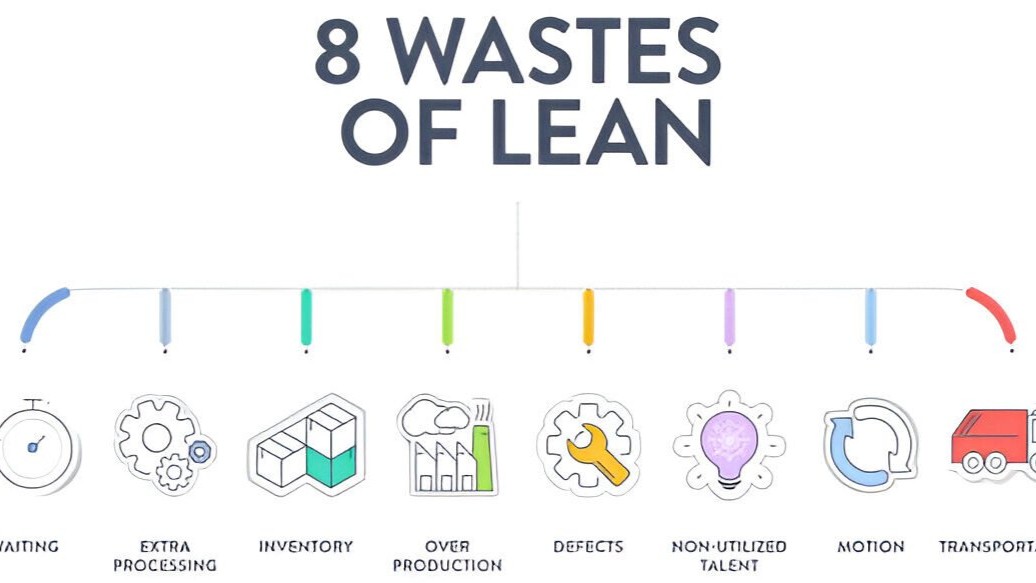
I am not arguing for random people sitting around waiting for the apocalypse. Slack without purpose is just waste wearing a resilience badge, and organisations are quite capable of collecting that too.
What I think we get wrong is treating all unused capacity as the same thing.
There is capacity nobody needs, created by duplicated work, unclear ownership or processes that should have died with the fax machine. Remove it. Please. There is also bounded capacity held for learning, recovery, handover and change. That capacity has a job even when it is not busy.
A fire brigade that spends every minute fighting fires serves a city with too many fires, or they like the attention. A support team with no room to remove recurring incidents stays trapped inside its own demand cycle. An architecture group scheduled entirely against delivery has time only to decorate the current one while moving very quickly.
I think that the distinction is intent. If you cannot say what the spare capacity protects, teaches or makes possible, it is probably waste. If you can name the shock it absorbs or the improvement it enables, removing it is a risk decision.
Automation shifts the burden
I have written before that automation shifts the burden rather than removing it. The same applies to efficiency. Work that used to live in the buffer moves somewhere less visible. It becomes evenings, delayed maintenance, weaker reviews, skipped experiments and the senior person quietly fixing things before breakfast.
For a while this looks excellent. Delivery stays green because people are generous with their own time and careful about which failures they let become visible. Then somebody leaves, or demand spikes, or a supplier fails, and management discovers that the organisation had been borrowing resilience from its people.
Leave some hay in the voerbak
My opinion is that every serious operating model should name its deliberate slack. Not hide it under a generic contingency percentage, but say what it is for.
Maybe a team keeps 15% for maintenance and learning. Maybe a critical service has a warm recovery path that gets exercised even when the primary is behaving. Maybe a second supplier receives enough real work to remain a supplier rather than a logo on a risk slide. Maybe the one person who understands the annual process gets time to teach somebody else before February arrives again.
These choices will look inefficient during calm periods. That is unavoidable. Insurance also looks inefficient right up to the moment it becomes the only useful thing you bought.
The risk is fairly simple. If every team, supplier and system is optimised to its expected load, the organisation has nowhere for the unexpected to go. It goes into customer impact, exhausted people and emergency money.
So by all means remove waste. I have no emotional attachment to redundant meetings or the sixth approval on a small change. But before removing the empty bit, ask what happens there when the world refuses to follow the forecast.
Leave a Reply